
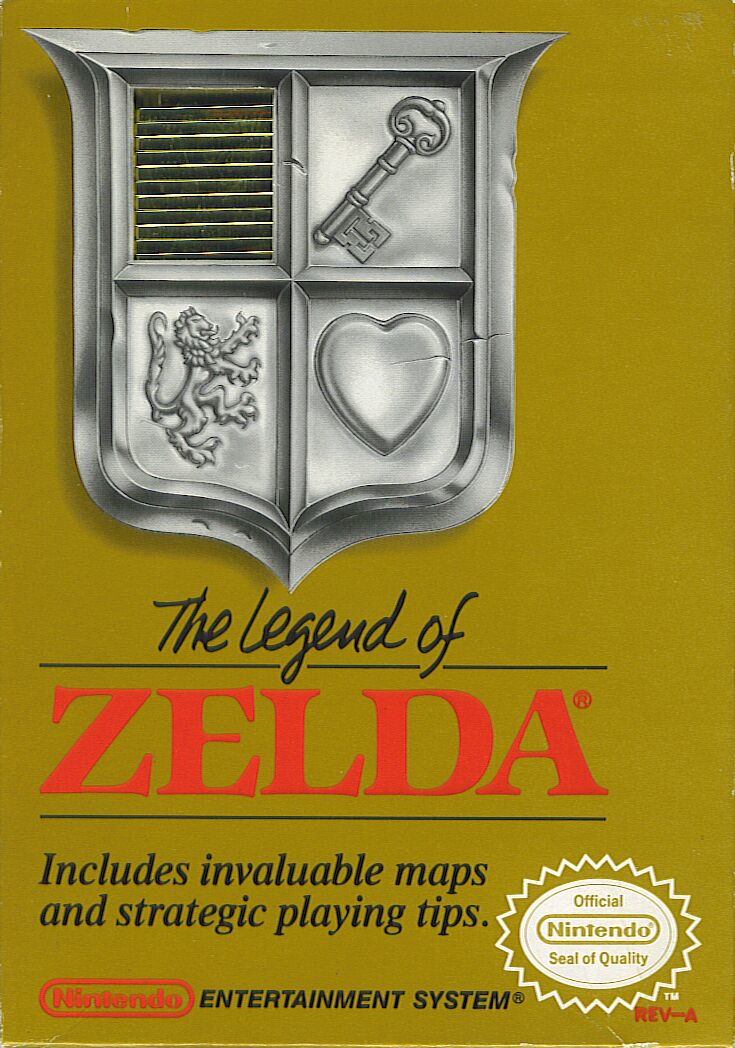
Th Legend of Zelda (NES)
The original The Legend of Zelda is one of those games that arrives trailing a comet tail of reputation. Even if you’ve never played it, you’re expected to know it. Swords. Triforce. Gold cartridge. Sacred ground. Until now, my experience with it had been limited to poking at it, never committing. This time, I finally sat down for a serious playthrough, strategy guide in hand, and after a few hours and three dungeons cleared, I can say this: Zelda is not gentle. It is hard, difficult, brutal, and often unforgiving.
From the very first moments, the game makes no effort to ease you in. You’re dropped into Hyrule with minimal guidance and an implicit expectation that you will experiment, fail, and die. A lot. Enemies hit hard, resources feel scarce, and progress often comes from learning through punishment. By modern standards, it can feel almost hostile, but that hostility is part of its identity.
Visually, The Legend of Zelda sits comfortably in the middle of the NES pack. The graphics are perfectly average for the era. Clear, readable, iconic in hindsight, but not especially impressive moment to moment. The music, however, fares better. The overworld theme is rightly famous and stands out as above average for the system. That said, after extended play, the music tends to fade into the background. It does its job setting atmosphere, then quietly steps aside.
One aspect I genuinely appreciate is how the game maintains challenge over time. Even as you revisit the same screens again and again, enemies become more aggressive and dangerous as the game progresses. Instead of early areas turning into effortless busywork once your skill improves, Zelda keeps the tension high by evolving enemy behavior. The world grows sharper along with you, which is impressive design for its time.
That said, the save system is a real sticking point. Requiring the player to die in order to save feels archaic and punitive today. I’ll be honest: I’ve been using emulator save states. Being able to save anywhere dramatically lowers the friction, and it highlights just how wide the gap is between modern expectations and NES-era design philosophies. Playing this way makes the game far more approachable, but it also raises questions about how much struggle is essential to the intended experience.
I understand why The Legend of Zelda is considered a classic. Its sense of mystery, its refusal to hold your hand, and its commitment to challenge were revolutionary. Whether I continue this playthrough or not, I respect what it was aiming for. Zelda doesn’t ask if you’re ready. It assumes you’ll rise to meet it, or walk away..
